
When it comes to belt printing in China, the market is really driven by a few things: brands want consistency, designs need to be flexible, and production runs are getting shorter. That’s where an ODM automatic belt printing machine comes in—it lets manufacturers print repeating patterns on moving belt material. But honestly, the machine’s top speed isn’t the whole story. On the factory floor, you also have to think about ink compatibility, belt width, drying capacity, registration accuracy, and whether operators can actually reach and work with the machine comfortably. All of those factors matter just as much.
Look, industry reports can give you some useful context—though they don’t always zero in on belt-printing gear specifically. Smithers’ The Future of Digital Textile Printing to 2027, for instance, digs into how digital printing tech and production are shifting. And then there’s the International Textile Manufacturers Federation’s Global Textile Industry Survey, which tracks business conditions and investment sentiment across the whole supply chain. So between the two, you get a decent sense of the landscape, even if you have to read around the edges a bit. So these sources do help explain why buyers are increasingly weighing flexibility and process efficiency right alongside price. But they don't give us a direct ranking of Chinese belt-printer suppliers, unfortunately. And that's where it gets tricky—details matter.
Alright, this isn’t one of those official “best of” lists or certifications. It’s more of a practical starting point if you’re checking out China’s top 10 ODM automatic belt printing machine suppliers. I tried to look at what really matters: how much they can customize, the printing methods they offer, how automated things can get, and whether their technical support is actually clear or just copy-paste replies. One big piece of advice—ask for samples printed on your actual belt material. Don’t settle for whatever shiny sample they have lying around. Also dig into curing, color consistency, and maintenance intervals before you commit. A polished brochure might look nice, but it definitely doesn’t prove they can handle stable production in the real world. There’s still one catch, though: public data hardly ever breaks out belt-printing machines on their own—they’re usually lumped in with textile printing in general. So honestly, you can’t just take a supplier’s word for it; you’ve gotta double-check the actual specs and maybe run some real samples yourself.
Automatic belt printing begins with stable web feeding. The machine aligns the belt, controls tension, applies ink, then dries or cures the print. Screen printing suits repeated graphics and solid color blocks; digital inkjet supports short runs and changing artwork. Registration sensors help keep designs centered on narrow straps. Small details matter.
Polyester and nylon webbing tolerate many industrial inks, but heat, coatings, and surface texture affect adhesion. Cotton absorbs ink differently and may need pretreatment; coated belts require compatible inks and careful curing trials. Belt behavior varies. Check rub resistance, wash durability, color migration, and edge coverage on production samples, not only flat swatches. A heat setting that works on one roll may distort another, so machine recipes need material-specific adjustment.
Textile Exchange’s 2024 Materials Market Report puts 2023 global fiber production at 124 million tonnes; polyester accounted for about 57%. This describes the wider fiber market, not belt demand, but it highlights the importance of testing synthetic webbing. When comparing China-based ODM suppliers, request measured line speed, print repeatability, curing temperature ranges, and test records. Headline speed alone tells little about finished quality.
When screening China-based ODM automatic belt printing machine suppliers, treat ISO 9001:2015 as a starting point, not a guarantee. Ask for evidence. Check the certificate’s validity, issuing body, and scope; it should cover relevant manufacturing activities. Then review real quality records, such as inspection sheets, corrective-action reports, and calibration logs. A supplier should explain how it controls print alignment, belt positioning, and repeatability between production runs. A polished audit file can still miss problems on the factory floor.
Factory capacity needs to match your order size and delivery schedule. Ask how many machines are assembled monthly, which steps are performed in-house, and where production bottlenecks occur. During a site visit or video audit, look for organized workstations, labeled components, and machines undergoing test runs. Quality checks should include print registration, ink adhesion, feed consistency, and safety functions. Request a sample run using your belt material, then compare results across several pieces. Small details matter. Ask how defects are recorded and who approves rework. One weakness in many supplier reviews is relying on a single successful demonstration; repeat testing under normal production conditions gives a more realistic picture.
Supplier-screening matrix covering ten practical evaluation dimensions. Supplier-specific rankings, certifications, and production figures are not stated because they require current, independently verifiable evidence.
| No. | Screening Dimension | What to Verify | Evidence to Request | Screening Status |
|---|---|---|---|---|
| 1 | ISO 9001:2015 certification | Confirm that the certificate is current and that its scope and listed site cover the relevant manufacturing activities. | Certificate number, issuing certification body, scope, site address, validity dates, and a verification record from the issuer or relevant accreditation directory. | Not verified — documentary evidence required |
| 2 | ODM engineering capability | Check whether the supplier can adapt the machine design, controls, fixtures, and documentation to the buyer’s requirements. | Redacted project examples, engineering change process, design review records, and a written division of design responsibilities. | Not verified — assess against project requirements |
| 3 | Factory and site identity | Confirm that the manufacturing site, legal entity, and certificate details are consistent; distinguish the factory from a trading or sales office. | Business registration details, site address, live video walkthrough or audit, and manufacturing records linked to the site. | Not verified — site audit recommended |
| 4 | Production capacity | Assess demonstrated output for comparable machines and the capacity available during the requested delivery window. | Recent production schedules, completed-unit records, machine and labor availability, current order load, and a dated delivery plan. | Not verified — request current capacity evidence |
| 5 | Incoming quality control | Check how purchased components and materials are inspected, identified, and released before production. | Incoming inspection procedures, sample inspection records, supplier approval process, and nonconforming-material handling records. | Not verified — records required |
| 6 | In-process quality control | Review controls for assembly, alignment, electrical work, and process steps that affect print consistency and machine operation. | Inspection checkpoints, work instructions, equipment calibration records where applicable, and completed production inspection sheets. | Not verified — process review required |
| 7 | Final inspection and acceptance testing | Agree on measurable acceptance criteria for operation, print performance, safety functions, and any agreed customer-specific tests. | Final inspection checklist, test reports, sample run results, defect records, and a mutually approved factory acceptance test protocol. | Not verified — acceptance criteria to be agreed |
| 8 | Traceability and nonconformance control | Determine whether relevant components, inspection results, and corrective actions can be traced to the delivered machine or production batch. | Serial-number system, component and inspection records, nonconformance reports, corrective-action examples, and document-retention rules. | Not verified — traceability demonstration required |
| 9 | Customization and change control | Confirm how approved changes to specifications, software, drawings, or components are reviewed and communicated. | Revision-controlled drawings, change approval records, software version identification, and a documented customer approval workflow. | Not verified — review change-control records |
| 10 | After-sales service and spare parts | Check the proposed warranty terms, response arrangements, troubleshooting support, and availability of agreed spare parts. | Written warranty and service terms, support contact process, recommended spare-parts list, and stated lead times confirmed in the quotation or contract. | Not verified — confirm contractual commitments |
Use this matrix as a due-diligence checklist, not as a ranking or confirmation that any supplier holds a particular certification, capacity, or quality result. Verify claims directly with the relevant supplier and certification issuer before purchase.
Comparing China’s top ten ODM suppliers by speed and print width starts with two figures: metres per minute and millimetres. They look simple. Yet catalogue speed may describe an unloaded machine, not a full production shift. Ask each supplier for the tested speed with your belt material, ink system, and artwork. A narrow logo may run quickly, while a wide solid pattern needs slower, steadier feeding.
Print width also needs careful checking. Confirm the usable print area, not just the machine’s maximum belt width. A machine may accept a broad belt but print only a narrower section. Request a sample with a ruler in frame, then inspect edge alignment, colour consistency, and repeat length. Compare setup time and changeover waste, too. These details can matter more than a headline speed. I would not rank a supplier on one impressive number alone; real production conditions are easy to overlook.
Tips: Send every supplier the same belt sample and artwork. Ask for a short recorded test, including acceleration and stopping. Numbers need context. Record actual output over a timed run, and note defects or pauses. A small test is useful, but it cannot represent every shift. That limitation is worth admitting.
Resolution figures deserve careful reading. A supplier may quote 600 dpi, but ask whether that is native resolution or an interpolated setting. The distinction affects fine logos, small text, and diagonal edges. Inspect a sample printed on the same belt material, not only on paper. Texture and stretch can soften details. Small differences matter.
Registration error describes how far color layers drift from their intended positions, usually in millimeters. Request the measured error across the belt width and during continuous feeding. A 0.3 mm shift may be acceptable for bold graphics, yet visible around narrow outlines. There is no universal pass mark; artwork and belt movement both matter. Check repeat samples, too. For print colors, confirm the number of independently controlled colors or stations, and ask whether white or spot colors are supported. Compare a physical color chart under consistent lighting. Screens can mislead. A precise specification is useful, but real production samples often reveal uneven coverage or color variation that a datasheet misses.
For a shortlist of China’s top 10 ODM automatic belt printing machine suppliers, compare measured performance, not just catalog claims. Feed rate should be tested with the intended belt width, print design, and material. Record stable output in meters per minute, then inspect registration and edge quality. A faster setting means little if printed details drift. Run the same sample across several speeds.
Curing temperature needs equal care. The displayed setpoint may differ from the belt’s actual surface temperature, so verify it with a contact probe or calibrated thermal reader. Test the ink and belt combination at several settings, checking adhesion after cooling. There is no universal ideal temperature. Too much heat can deform some belt materials; too little may leave prints vulnerable to rubbing. Changeover time should include unloading, fixture adjustment, recipe selection, and the first acceptable print—not just the operator’s setup time. Time a real switch between two belt sizes. Small delays add up. Ask suppliers to document test conditions and repeat the trial with your operators. A neat factory demonstration can hide awkward adjustments. Even a careful scorecard has limits; production noise, operator habits, and maintenance can change the result.
Supplier-neutral comparison of automation metrics: feed rate, curing temperature, and changeover time
The ten numbered profiles are illustrative planning scenarios, not measured or verified data for specific suppliers. Values represent plausible operating points for automated belt-printing lines; confirm actual feed rates, curing requirements, and changeover performance with each manufacturer and for the intended materials and process.
When comparing China’s top ODM automatic belt printing machine suppliers, treat compliance records and running costs as part of the machine specification. For equipment sold into markets where CE requirements apply, request the EU Declaration of Conformity, the exact model coverage, and relevant test documents. Check that the nameplate matches the quoted configuration. Ask for evidence. A certificate image alone may not clarify which version was assessed, and buyers can overlook this detail.
Energy figures need a clear operating basis. Ask suppliers to record kWh during a defined test, such as one hour printing belts at a stated speed, width, and curing setting. Include warm-up, idle time, and extraction equipment where applicable; otherwise, quotes may measure different loads. Estimate monthly use from actual shifts, not rated power alone. A meter can help, though the measurement setup matters.
Consumables affect downtime as well as cost. Request typical ink use per printed meter, cleaning fluid per changeover, and replacement intervals for belts, filters, or wipers. Ask which substrate and artwork produced those figures. Keep sample logs from a trial run: start-up waste may be higher than expected. One neat cost-per-belt figure is not a guarantee; operators, maintenance, and design changes all influence it. Flag gaps in the supplier’s data before making comparisons.
When comparing China’s automatic belt printing machine suppliers, request a sample run using your actual belt material, ink, and artwork. A showroom demonstration is useful, but it cannot show how the machine handles your production conditions. Keep it measurable. Record the belt speed, print position, color consistency, and drying time for each run. A short video can help both sides review results later.
Before placing an order, agree on acceptance tests in writing. Specify how many belts will be tested and what counts as an acceptable result, including alignment tolerance and print defects. Check the feeder, emergency stop, controls, and routine cleaning access while the machine is running. Do not rely on a single perfect sample. A test sheet can still miss problems that appear after several hours, and that gap deserves attention.
Review the warranty for covered parts, labor, and exclusions, then ask how service requests are handled. Request a named contact, expected response hours, and a clear process for remote troubleshooting or replacement parts. Response time matters. Ask whether common consumables are stocked locally and what information technicians need to diagnose a fault. Even a detailed agreement cannot prevent every delay, so keep test records, error photos, and maintenance notes from the first week.
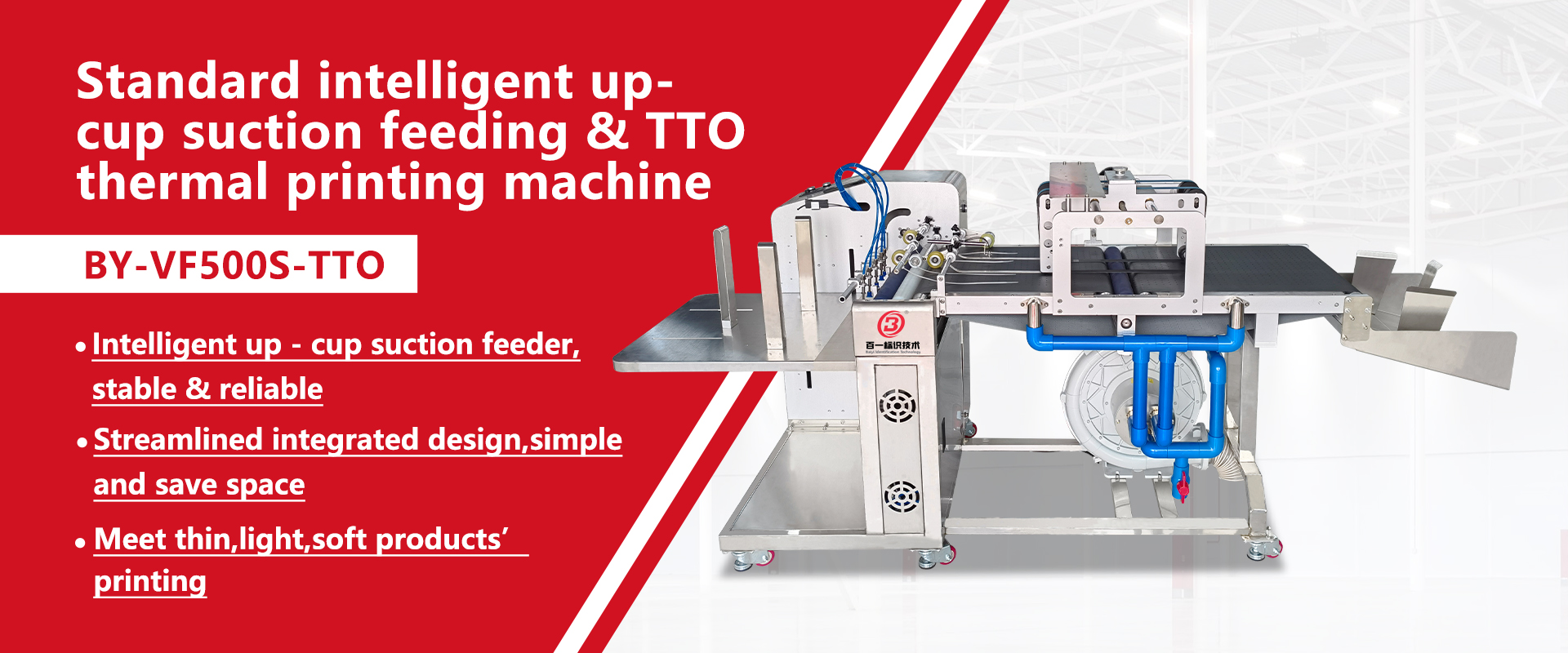
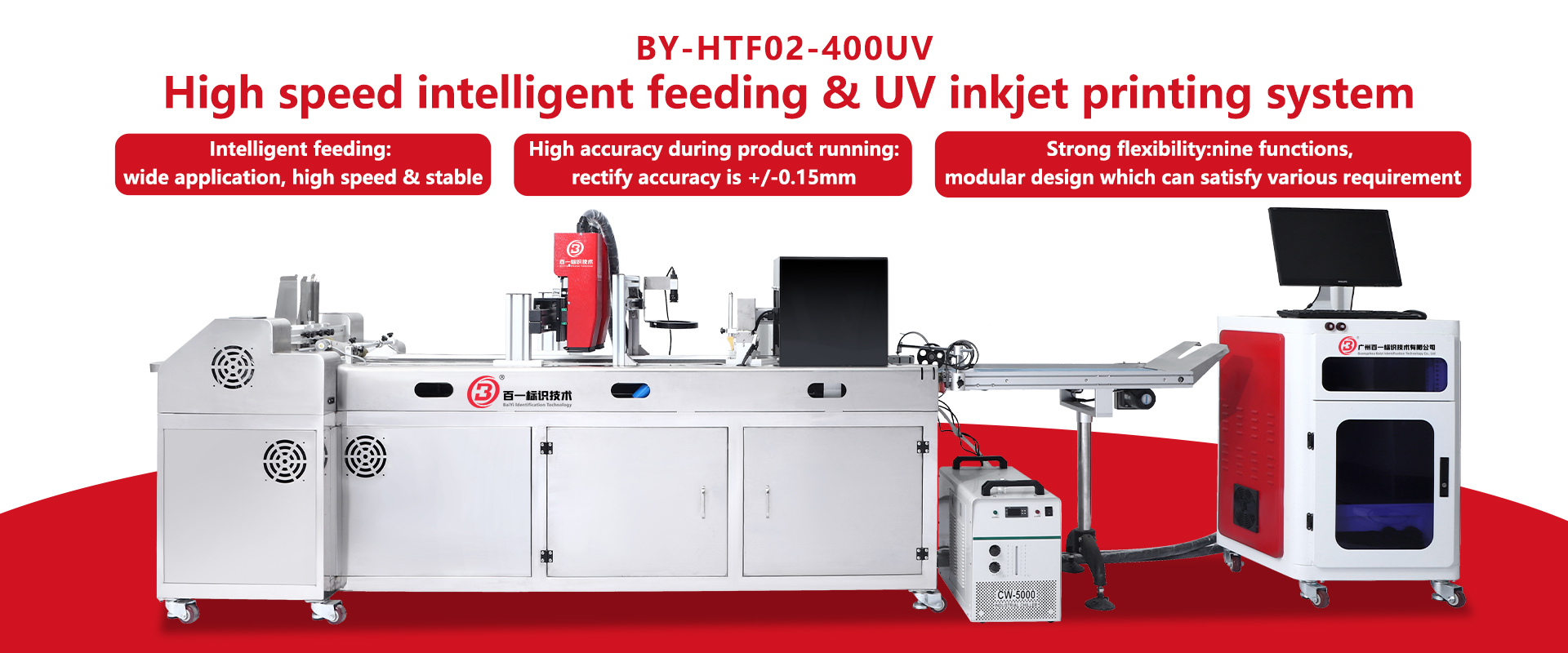
As digital print continues to evolve toward 2032, the fifth generation of colorful UV digital printing machines reflects a growing demand for flexible, high-quality production. By combining intelligent feeding technology with full-color UV digital printing, this system is designed to handle customized jobs and small batches without the setup demands of conventional production. Its compact structure and precise operation make it suitable for diverse industrial workflows.
The system can print text, serial numbers, logos, images, QR codes, and barcodes on materials including paper, plastics, wood, leather, metal, glass, and ceramics. Vibrant color reproduction, sharp detail, and strong ink adhesion help create durable, professional-looking results across different surfaces. One-touch startup and support for single-item production make operation straightforward, while fast output and low operating costs offer practical advantages for businesses managing varied orders. By bringing intelligent feeding and full-color UV printing together, this solution supports efficient, adaptable production as customer requirements continue to diversify.
No. Check the certificate’s validity, issuing body, and manufacturing scope. Review inspection sheets, corrective-action reports, and calibration logs. A certificate is only a starting point.
Look for organized workstations, labeled components, and machines running test cycles. Ask which production steps happen in-house and where delays occur. A tidy room alone proves little.
Ask how many machines are assembled each month and whether that capacity matches your order schedule. Discuss bottlenecks directly. Forecasts can be optimistic.
Check print registration, ink adhesion, belt feeding, and safety functions. Ask who records defects and approves rework. Small details matter.
Request tested output using your belt material, ink system, and artwork. Record production during a timed run, including pauses and defects. Numbers need context.
Ask for the usable print area, not just the maximum belt width. Request a sample with a ruler visible. Compare edge alignment and repeat length.
Use identical belt samples and artwork to make results easier to compare. A short recorded test can show acceleration and stopping. It still cannot represent every shift.
Not by itself. Compare several pieces and repeat tests under normal production conditions. One good demonstration can hide variation. I might still miss something.
This guide explains how an Odm Automatic Belt Printing Machine works, from material feeding and image printing to curing and finished-belt handling. It outlines the belt materials and core functions buyers should consider, then presents a practical framework for comparing Chinese ODM suppliers. Key screening points include ISO 9001:2015 certification, factory capacity, and documented quality-control procedures. Supplier comparisons should account for production speed in meters per minute, maximum print width, resolution, registration error, and available print colors.
The guide also covers automation performance, including feed rate, curing temperature, and changeover time, alongside CE documentation, energy consumption, and consumable costs. Before placing an order, buyers can verify performance through sample runs and agreed acceptance tests, while reviewing warranty terms and service response commitments. Together, these benchmarks help businesses assess machine suitability, operating costs, and supplier reliability against their production requirements.