
When you're picking a label feeder, it's not just about which one is the fastest. You've got to think about whether it places labels reliably, keeps materials moving smoothly, and actually fits into your existing setup. Sure, a feeder might handle paper labels like a dream, but put thin film in front of it, or a tight roll core, or you start changing speeds often—and things can go sideways. It's the little things that trip you up. One little slip of the web or a sensor that misreads, and your whole shift is thrown off.
So, you're on the hunt for a label feeder? This guide is your go-to for finding top-notch manufacturers and figuring out what to ask before you even think about getting a quote. First off, you'll want to compare things like label widths, how fast it can feed, tension controls, sensor options, and how easy it is to changeover. But here's the key: don't just trust the specs on paper. Ask them how the machine handles *your* specific label stock – not some generic test sample. And always push for clear specs, and if you can, get a live demo with materials that are actually close to what you use. That way, you know it's really going to work for you. You know what? It's worth looking into the installation guidance, spare parts, and technical support that come with it. Honestly, those points give you a much more useful comparison than just hearing about how precise or efficient it is.
Spending time on a real production floor teaches you things you don't get from any manual. For one, having the most detailed spec sheet doesn't mean the machine will be a breeze to operate. Honestly, operators often care just as much about controls that are easy to reach and quick roll changes as they do about top speed. That's something you really need to keep in mind. So before you commit to buying, make sure it actually works with your applicator, conveyor, and control system—otherwise you might be in for a headache. Look, there's no denying that manufacturer experience, documented testing, and responsive support go a long way in cutting down the guesswork. But honestly, no checklist in the world can replace actually trying things out. So what we've got ahead is a practical guide on how to size up suppliers, compare different equipment, and pick a feeder that actually works for your real-world production needs.
A label feeder separates labels from a stack or roll and presents them to an applicator at a controlled pace. Depending on the machine, rollers, a vacuum belt, or air suction move each label forward. Sensors detect its edge and signal when to stop or release the next one. The applicator then places the label on a product or package. Small details matter.
Feeders help keep labels aligned and reduce manual handling, especially on fast production lines. Smithers’ report The Future of Label Printing to 2028 estimated the global label-printing market at about US$49.9 billion in 2023, with growth projected through 2028. That figure describes label printing, not feeder sales, but it signals the scale of labeling operations that depend on reliable feeding.
In practice, performance depends on label stock, adhesive, and setup. A curled edge can catch; static can make two labels travel together. Operators adjust guides, feed pressure, and sensor position, then test with the actual label roll. Check for skew and missed feeds during a short run. Real materials are rarely perfect, and a setting that works for one roll may need fine-tuning for the next.
Friction-feed systems separate and advance individual labels using rollers, making them practical for stacked paper labels on cartons, jars, and flat packages. They suit steady production runs, but humidity or curled stock can cause double-feeds.
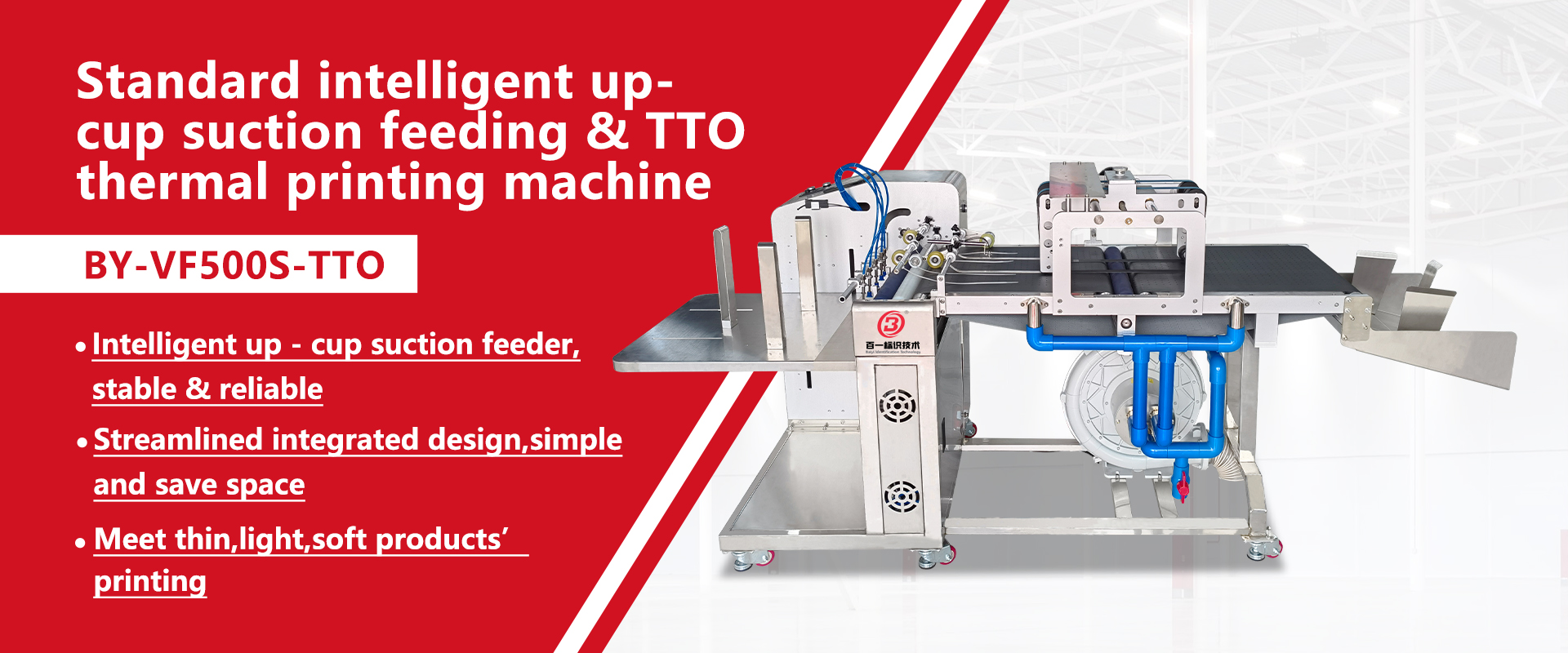
Vacuum feeders use suction cups to lift labels gently from a stack. They are useful for delicate, coated, or larger labels where surface scuffing matters.
Air-blow systems use a controlled jet to place lightweight labels on moving products, though airflow and label position need careful adjustment. Small changes matter.
Roll-fed applicators unwind continuous label stock, cut or peel each label, and apply it to bottles, cans, or other curved containers. Servo-driven models can adjust feed speed to match changing line speeds.
Smithers’ report The Future of Labels to 2027 estimates the global label market at about $44.8 billion in 2022, with growth projected to $58.7 billion by 2027.
That market outlook indicates broad demand, not a guaranteed need for any one feeder type. Buyers should test the actual label material, adhesive, package shape, and line speed.
A glossy label may behave differently from a paper one, even on the same machine.
The overlooked detail is changeover time: frequent label-size changes can erase the benefit of a fast feeder.
A high-quality label feeder should move labels smoothly without stretching, curling, or letting the backing wander. Consistent tension matters. Look for adjustable guides that hold the web straight as rolls unwind, plus a sensor that detects gaps or printed marks reliably. A sensor that misses occasional labels can slow an entire packing line, so test it with the actual label material and spacing before purchase.
Pay attention to speed control and repeatability. Operators should be able to make small adjustments without tools, then see the same feed length across repeated cycles. Useful details include a clear control panel, accessible rollers, and quick access for clearing adhesive buildup. They sound minor. They are not. Ask how the feeder handles narrow labels, lightweight stock, and changes between roll sizes; performance on one standard roll does not prove flexibility. Durable frame materials and guarded moving parts support steady daily use, while replaceable wear components can reduce downtime. No machine is maintenance-free, and a polished specification sheet may not reveal awkward threading or difficult cleaning. Request a live demonstration with your own labels, and note both feed accuracy and how easily a new operator can set it up.
Leading label feeder manufacturers distinguish themselves through stable singulation, gentle product handling, and reliable integration with existing packaging lines. Buyers should ask how a feeder handles curled labels, static-prone stock, and frequent roll changes—not just its advertised speed. Watch a sample run closely. Do labels arrive square, with consistent spacing, after a changeover? Ask for measured results using your own materials, plus details on sensor settings, reject handling, and operator training. Small details matter.
The International Federation of Robotics’ World Robotics 2023 report recorded 553,052 industrial robots installed worldwide in 2022, a 5% rise from 2021. That figure does not track label feeders specifically, but it reflects growing factory investment in automation and dependable equipment integration. When comparing manufacturers, request documented performance at your target rate and references from similar line conditions. Check whether wear parts are readily available and whether controls can communicate with your line. No feeder is perfect. A weakness in many buying checklists is treating peak speed as the main measure; real performance also depends on label quality, setup time, and the skill of the shift team. Manufacturers willing to test difficult stock and explain limitations offer buyers a more useful basis for selection.
| Evaluation Dimension | What a Qualified Manufacturer Should Offer | Buyer Verification | Why It Matters |
|---|---|---|---|
| Label format compatibility | Feeder configurations suited to the buyer’s label width, length, liner, roll size, and winding direction. Supported ranges vary by model. | Provide label drawings and material samples; confirm maximum roll diameter, core size, and allowable label dimensions in writing. | Labels outside the supported range can cause tracking problems, jams, or inconsistent dispensing. |
| Feed and dispensing method | Options such as continuous feeding, sensor-controlled indexing, or peel-and-present dispensing, depending on the application. | Ask for a demonstration using the intended label stock and confirm the required presentation position. | The correct method depends on whether labels are applied manually, integrated into a production line, or transferred to another machine. |
| Speed and duty cycle | A stated operating speed and duty-cycle rating for the complete feeder configuration, rather than a motor-only specification. | Request test results at the target speed, label size, and operating duration; check how speed is measured. | Actual throughput depends on label dimensions, sensor response, acceleration, and handling conditions. |
| Positioning and repeatability | Defined positioning tolerance and adjustment method for label start, stop, and presentation position. | Ask for the tolerance specification and verify repeatability across a representative production run. | Consistent positioning supports reliable manual application and downstream automation. |
| Label detection | Sensor options appropriate for the label and liner, including consideration of gaps, marks, transparency, or reflective surfaces. | Test the sensor with the actual label stock and confirm setup instructions for changing label types. | Unsuitable sensing can result in missed labels, double feeds, or incorrect stopping positions. |
| Mechanical construction | Stable frame, accessible roll loading, controlled web path, and serviceable wear components. | Inspect a sample unit or detailed drawings; review loading steps, maintenance access, and replacement-part availability. | Good access and construction can reduce changeover time and simplify routine maintenance. |
| Controls and integration | Clearly documented controls and, where required, suitable trigger inputs, status outputs, or communication interfaces. | Confirm electrical ratings, connector details, signal timing, and interface documentation before ordering. | Compatibility must be established with the buyer’s applicator, controller, or production equipment. |
| Safety and electrical requirements | Electrical documentation and safety information applicable to the intended installation and destination market. | Request the relevant declarations, manuals, wiring diagrams, and installation requirements for the exact configuration. | Requirements vary by market and application; documentation helps support safe installation and compliance review. |
| Customization and testing | A documented process for assessing special label materials, mounting needs, operating conditions, or integration requirements. | Request a written specification, sample test, acceptance criteria, and confirmation of any custom features. | Pre-purchase testing helps identify application issues before equipment is deployed. |
| Quality assurance and support | Defined inspection procedures, operating and maintenance manuals, warranty terms, and access to technical support and spare parts. | Review inspection records, warranty conditions, response arrangements, and the parts list before placing an order. | Clear support and documentation help manage service needs throughout the equipment’s operating life. |
Comparing label feeder manufacturers starts with the labels and line conditions you actually use. Check the supported label width, roll diameter, core size, and maximum feed speed. These limits should match your production setup, not just an ideal sample. Ask how the unit handles glossy, transparent, or slightly curled stock. Sensor performance can vary with label material and spacing. Small details matter.
Look beyond headline speed. Request feed accuracy or repeatability figures, then confirm how they were measured. A feeder that advances labels quickly may still struggle during frequent stops. Paper comparisons can mislead. Ask for a trial using your own label roll, and observe alignment after several start-and-stop cycles. Check the control interface, mounting options, and tension adjustment too. A clear specification sheet should state operating limits and required maintenance. Compare warranty terms, spare-part availability, and response times for technical support. If a manufacturer cannot explain a tolerance, record that uncertainty rather than assuming the best. My own comparison notes are never perfectly tidy; actual line behavior may expose gaps a spreadsheet misses.
For buyers comparing top high-quality label feeder manufacturers, quality should be demonstrated on the materials they actually run. Ask for a sustained test using your label width, liner, roll diameter, and target speed. Watch for skew, missed picks, adhesive buildup, and tension changes after repeated cycles. A neat demo is useful, but it cannot represent every shift or stock variation. Small faults matter.
Compliance evidence should be specific, current, and relevant to the machine configuration and sales region. Request operating manuals, risk documentation, electrical details, and records for applicable standards. Verify the scope rather than relying on a logo or broad claim. Traceable inspection and calibration records help maintenance teams identify drift. Requirements can differ by market, so confirm them with qualified local reviewers.
After-sales support becomes visible when a sensor fails at 6 a.m. Ask how quickly technicians respond, which wear parts are stocked, and whether setup help is available by phone or on site. Clear fault codes, spare-part lists, and practical operator training can reduce avoidable downtime. I would still leave room for uncertainty: adhesive behavior changes with heat and humidity, and no factory test predicts every condition. Get support terms in writing, then test the feeder with production staff before acceptance.
Selecting a label feeder starts with the label and production line, not the machine brochure. Record label width, roll diameter, core size, web direction, and required feed rate. Then check how the feeder mounts to the applicator or packaging line. Confirm sensor compatibility, adjustment range, and access for roll changes. A feeder that runs well on a sample roll may behave differently with curled, thin, or static-prone stock. Ask the supplier to test your actual labels at your target speed.
Match the feeder’s output to the line’s real operating conditions, including changeovers and brief stops. The International Federation of Robotics reported 541,302 industrial robot installations worldwide in 2023 in World Robotics 2024. That figure reflects broader automation growth, not label-feeder demand, but it underscores why interface and synchronization checks matter. Request a documented acceptance test covering feed accuracy, speed, jam recovery, and restart behavior. A tidy specification sheet can still miss a stubborn label curl.
Tips: Bring sample rolls, a drawing of the mounting area, and your line-speed range to supplier discussions. Compare total ownership costs, including setup, maintenance, and spare parts. Ask for references from similar applications. Small details count. If a claim sounds unusually precise, ask how it was measured.
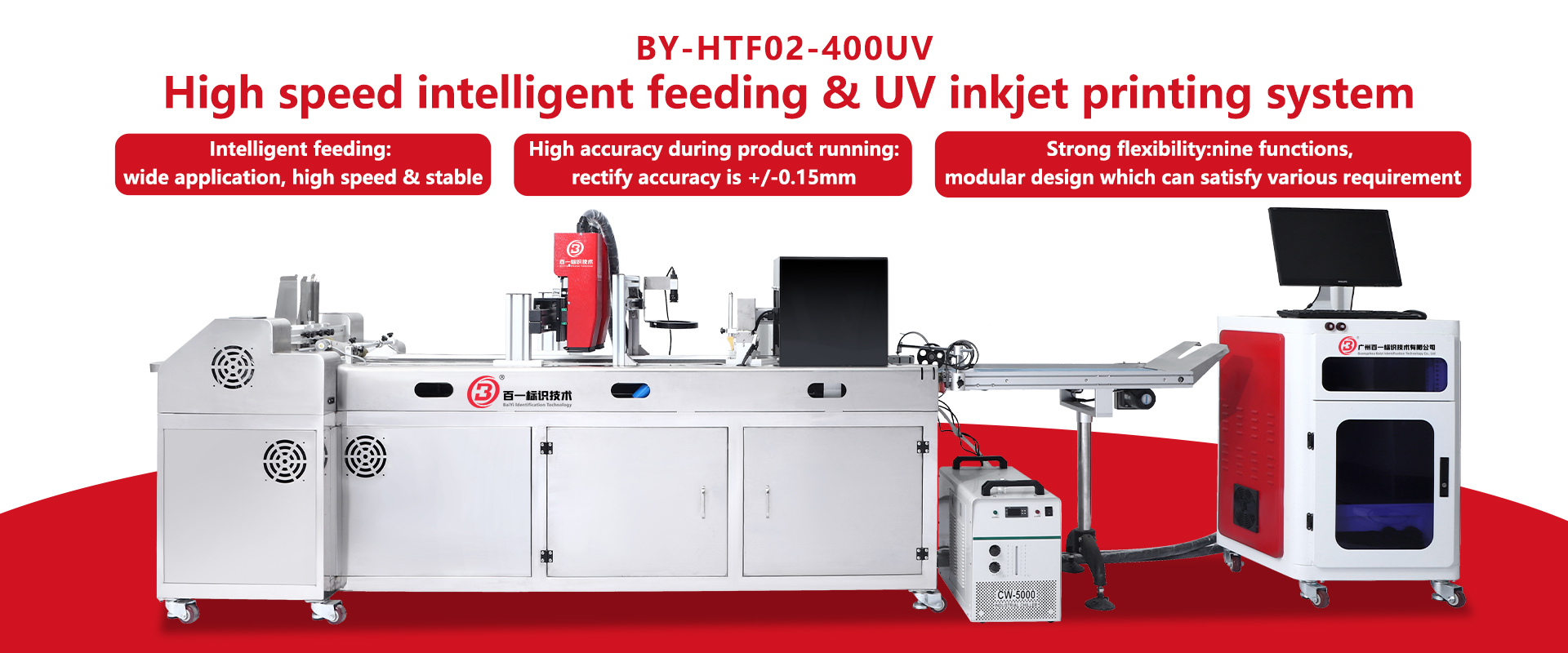
As face-mask manufacturers plan for changing product mixes and production volumes, a key consideration is how efficiently masks can be positioned for printing and then passed to downstream equipment. A high-speed feeding and printing system should support stable material handling while allowing production teams to select continuous or intermittent feeding to suit their line requirements. The right configuration depends on mask style and process layout, since disposable masks and KN95/KF94 masks may require different feeding and printing arrangements.
The standard face mask feeding and printing machine is designed for disposable masks and N95/KN95-style products. Its compact structure and stable operation help it fit into production workflows, and it can be integrated with an existing ear-loop machine. Available model options include BY-TF04-300 for KF94/KN95 masks, BY-TF04-300 for disposable masks, and BY-HTF200 for disposable masks. Before choosing a setup, manufacturers can confirm the mask format, required feeding mode, printing needs, and connection points with adjacent equipment to ensure the system matches their production requirements.
Match label width, roll diameter, core size, and feed speed to your production line. Check mounting options and tension adjustment too.
No. Ask for accuracy or repeatability figures and how they were measured. Frequent stops can reveal problems that headline speed hides.
Run your own roll through several start-and-stop cycles. Check alignment, missed feeds, and how the feeder handles glossy or curled labels. Small details matter.
Look for skew, missed picks, adhesive buildup, and changing tension. Test the label width, liner, roll size, and target speed you actually use.
Request current manuals, risk documents, electrical details, and applicable standards records. Confirm that each document covers the exact machine configuration and sales region.
Ask about technician response times, stocked wear parts, and setup help by phone or on site. Get support terms in writing.
Review required maintenance, spare-part availability, fault codes, and inspection records. Traceable calibration records can help identify drift over time.
No test covers every shift, label batch, or humidity change. A neat demo can still miss real operating issues. My comparison notes can be imperfect, so production staff should test the feeder before acceptance.
Label feeders automate the controlled delivery of labels to packaging, printing, and product-marking equipment. Depending on the task, buyers may choose systems designed for roll-fed, sheet-fed, or specialized label formats. A suitable feeder can improve placement consistency, reduce manual handling, and support a smoother production flow. When evaluating options, consider label dimensions and materials, feeding speed, adjustment range, integration requirements, operating environment, and ease of maintenance.
Comparing High Quality Supply Label Feeder Manufacturers involves more than reviewing product specifications. Buyers should assess manufacturing quality, documentation, relevant compliance information, warranty terms, spare-parts availability, and the responsiveness of technical support. A practical selection process starts by defining production needs, confirming compatibility with existing equipment, and comparing total operating requirements alongside the purchase price. Requesting clear specifications and discussing setup and after-sales service can help ensure the chosen feeder is reliable and well suited to the intended application.